Factoring FAQs: clear answers for shared buildings
Read the latest blog from our factoring partners - 7days.property
Quiz time:
1. Why can't I make tallow in my basement?
2. Does our building's brattishing need replaced?
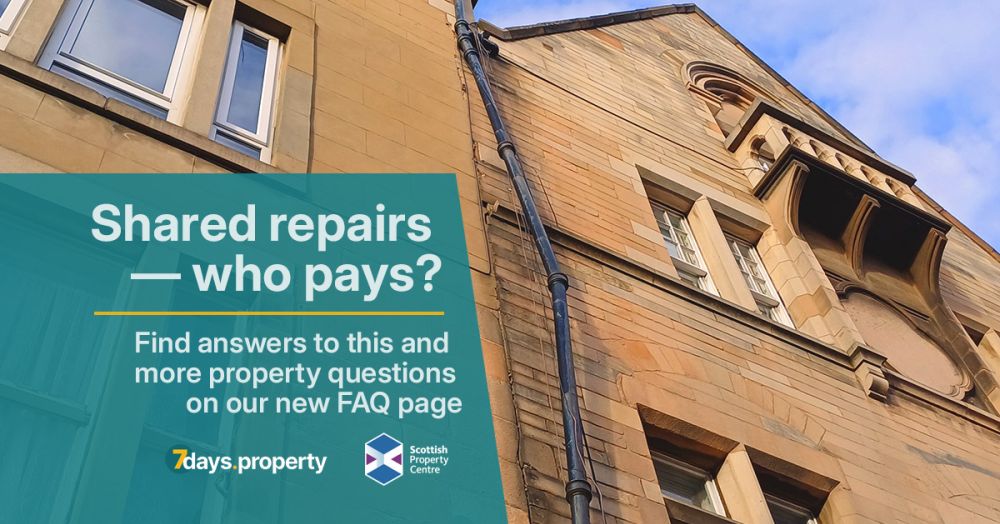
3. Who pays if our gable end cavetto skewputt falls off?
These are some of the more obscure property management questions we’ve researched (answers below), but if you live in a tenement or shared block, you’ve probably had (more normal) questions about repairs, insurance or how decisions get made.
The new Factoring FAQ page on our updated website brings together clear explanations of the topics owners ask us about most. Three that come up regularly:
Who pays for roof repairs in a Scottish tenement? Usually all owners share the cost. The split is normally set out in the building’s Deed of Conditions. If that’s unclear, the Tenements (Scotland) Act often means repairs are shared equally.
What is a Tenement Maintenance Plan? It’s a practical, multi-year plan for inspections, repairs and budgeting for shared parts of the building. The aim is simple: move from emergency fixes to planned maintenance that spreads costs more fairly.
What is an insurance reinstatement value? This is the cost of rebuilding your property from scratch after a major loss. It’s not the market value of the flat, and keeping it accurate helps make sure the building is properly insured.
The new FAQ page covers much more, including:
· sinking funds and floats
· common buildings insurance
· Deeds of Conditions and how buildings are managed
· retrofit and energy upgrades in traditional tenements
· maintenance responsibilities in listed buildings
The goal is straightforward: giving clear, practical information about how shared buildings work, and how to keep them in good condition.
We've also included a simple guide to further information on the UnderOneRoof website - a great independent resource for residents of shared buildings.
If you have a question about your building, repairs, insurance or future maintenance planning, our team is always happy to help.
👉 Visit the Factoring FAQ on our website — or get in touch with us anytime on 0800 321 3841
Answers:
1. It could be a restriction on the Title Deeds from a converted commercial property in a block, but you’re probably best of just buying it tallow form a reputable organic farm.
2. Brattishing is the ornamental cresting or decorative friezes found on top of roofs and walls, and frequently in Scottish tenements on the top of corner turrets. Usually made of cast iron, sometimes stone, it can be serviced in-situ by experienced roofers or masons, or may need removed and restored offsite.
3. The cavetto skewputt is the shaped stone block at the base of a sloped roof wall, angled to support the gable end stones above. It’s position means it can be vulnerable to water damage from blocked gutters or stone deterioration. The repair bill would be shared between the properties.